
Skip to content
Plant breeding has major challenges ahead to feed 10 billion people by 2050. It is estimated this will require increasing food production by 50–60%. The Delivering Sustainable Wheat Institute Strategic Programme is a unique, multi-disciplinary research programme addressing the major challenges faced by the global wheat industry. Funded by the Biotechnology and Biological Sciences Research Council (BBSRC), it brings together the complementary expertise of eleven leading UK research institutes and universities. Our goal is to develop new wheat germplasm that contains the next generation of key traits. Together, we are committed to developing sustainable solutions to the increased wheat production that will be required in the coming decades.

About

Plant breeding has major challenges ahead to feed 10 billion people by 2050. It is estimated this will require increasing food production by 50–60%. The Delivering Sustainable Wheat Institute Strategic Programme is a unique, multi-disciplinary research programme addressing the major challenges faced by the global wheat industry. Funded by the Biotechnology and Biological Sciences Research Council (BBSRC), it brings together the complementary expertise of eleven leading UK research institutes and universities. Our goal is to develop new wheat germplasm that contains the next generation of key traits. Together, we are committed to developing sustainable solutions to the increased wheat production that will be required in the coming decades.

Our success lies in our shared resources.

For traits and pre-breeding, the phenotyping facilities of Rothamsted Research and University of Nottingham’s Hounsfield facility combine with genetic resources of John Innes Centre, alongside specialist trait knowledge at the universities of Lancaster and Leeds.

Nutritional biochemistry expertise at Rothamsted Research combine with in-vitro gut systems at Quadram Institute  and clinical intervention at Imperial College to build an evidence base for increasing dietary fibre and minerals in white wheat flour.

Pathology hubs at Rothamsted Research, National Institute of Agricultural Botany, John Innes Centre and Earlham Institute make step change discoveries in plant immunity and pathogen weakness.

Earlham Institute data leadership and the Grassroots data repository, with pioneering genotyping methods at the University of Bristol, are the foundation of all Delivering Sustainable Wheat experimentation and analysis, as is their generation of new reference genomes for core Delivering Sustainable Wheat germplasm.

This creates a FAIR data landscape maximising returns for Delivering Sustainable Wheat and beyond.

To address the challenges facing global wheat production, our research is divided into four themes or work packages. Each is led by two researchers at our institutes, with contributions from across the DSW research team.
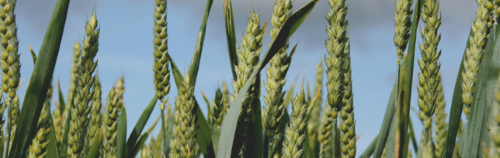
Work Package 1
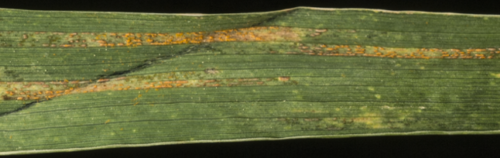
Targeted Sustainability-Trait Discovery

Work Package 2

Delivering Resilience to Biotic Stress

Work Package 3

Nutritional Traits

Work Package 4

Sustainable Data Frameworks for Wheat
Delivering Sustainable Wheat
Privacy Overview

This website uses cookies so that we can provide you with the best user experience possible. Cookie information is stored in your browser and performs functions such as recognising you when you return to our website and helping our team to understand which sections of the website you find most interesting and useful.